A clogged toilet is an urgent household plumbing problem that needs to be resolved quickly. When water rises dangerously close to the rim after a flush, or drains out slowly over several hours, the toilet’s internal drain lines are restricted. For residents in the 19146 ZIP code area and Graduate Hospital, a stubborn backup can quickly become a major headache if it is your home’s primary bathroom.
While a minor clog can often be cleared with a standard plunger, stubborn blockages that keep coming back need a more thorough solution. Arranging for professional clogged toilet repair clears deep blockages safely without scratching or cracking your porcelain fixtures.
Tracing the Cause: Trapway Clogs vs. Main Line Issues
To clear a toilet backup permanently, it helps to understand where the blockage is located. Toilets are built with an internal curved siphon path called a trapway, which holds a small pool of water to block sewer gases from entering your bathroom.
Toilet Bowl Path —> [ Curved Siphon Trapway ] —> Floor Closet Flange —> Main Waste Stack
^
(Common zone for stuck foreign objects)
Because the trapway features tight, narrow turns, foreign objects like wet wipes, cotton swabs, and heavy paper products can easily get stuck in the curves. If your toilet backs up constantly but your sinks and showers drain perfectly, the blockage is isolated to the toilet trapway. If flushing the toilet causes water to back up into your nearby bathtub or floor drain, you are dealing with a larger blockage deep within your home’s main sewer lateral line.
Why Chemical Drain Cleaners Should Be Avoided
When faced with a slow-draining toilet, many homeowners pour harsh chemical drain cleaners down the bowl. Professional plumbers strongly advise against this approach. Chemical cleaners rely on harsh acids or caustics that generate intense heat to dissolve clogs.
Harsh Chemical Pour —> Settles inside toilet trapway —> Generates intense thermal heat
|
Cracked Porcelain Bowl <— Melts internal rubber wax rings <——-+
Because standing water in a clogged toilet dilutes these chemicals, they rarely clear the blockage. Instead, the caustic liquid settles in the bottom of the porcelain bowl, generating heat that can crack the porcelain or melt the rubber wax ring beneath the base, creating a hidden water leak. Furthermore, if the chemical treatment fails, your toilet bowl remains filled with caustic water, creating a safety hazard for the technician who comes to fix the line mechanically.
Professional Cleaning Tools: Closet Augers and Siphon Jets
Professional plumbers use heavy-duty mechanical tools to clear stubborn toilet blockages safely without scratching the porcelain bowl:
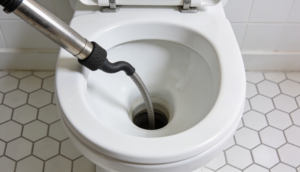
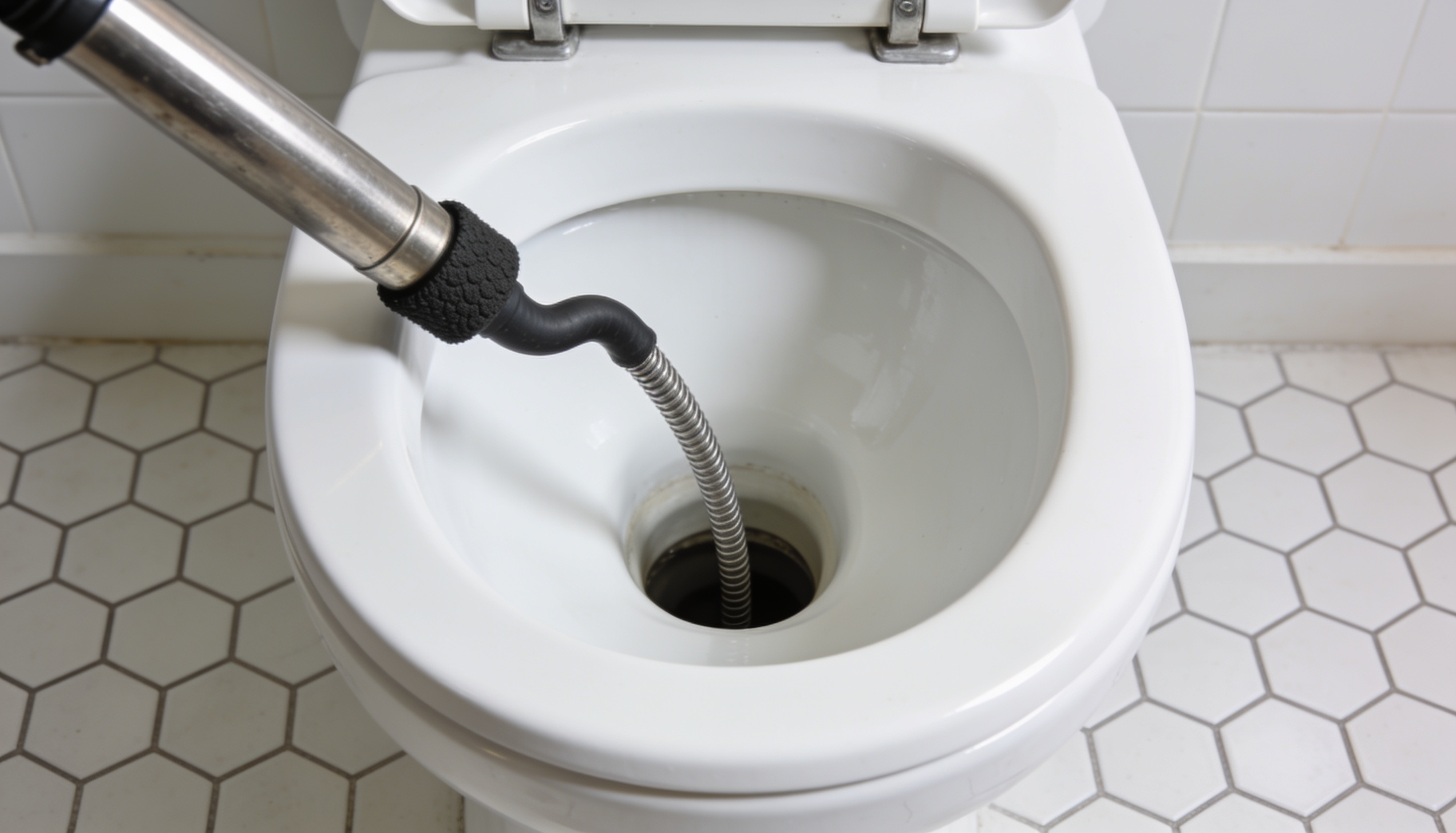
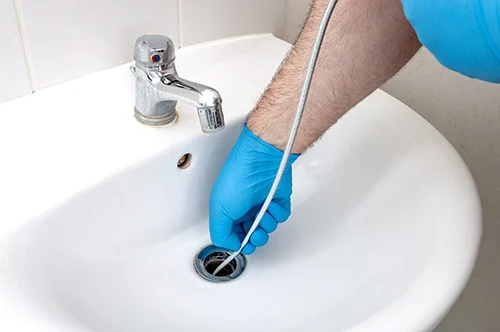
- Professional Closet Augers: A specialized plumbing snake encased in a protective rubber sleeve that guides a flexible steel cable through the toilet’s curved trapway to break up or retrieve stuck objects.
- Siphon Jet Cleaning: Clearing mineral scale deposits from the small water jets around the toilet bowl rim, restoring a strong flush that clears waste efficiently.
+——————————————————-+
| Professional Clearing Metrics |
+——————————————————-+
| * Safe Rubber Sleeves: Protects porcelain from scratches
| * Hook Tips: Retrieves stuck objects instead of pushing them
| * Root Cutters: Clears tough main line sewer blocks |
+——————————————————-+
Using these professional mechanical tools clears the drain lines safely, avoids the use of harsh chemicals, and protects your bathroom’s porcelain fixtures from damage.
Preventing Future Toilet Backups and Maintenance Tips
The easiest way to deal with a clogged toilet is to prevent it from happening in the first place. Educating busy households on proper plumbing habits keeps your lines clear and flowing smoothly:
- Flush Only Waste and Toilet Paper: Never flush facial tissues, paper towels, wet wipes, or feminine products down the toilet, even if the packaging claims they are flushable.
- Avoid Excess Paper Use: If you need to use a large amount of toilet paper, split it into two separate flushes to avoid overloading the narrow trapway.
- Keep Toilets Free of Small Objects: Avoid placing small items like toothbrushes, cosmetics, or children’s toys on shelves directly above the toilet, where they can easily fall into an open bowl and cause a severe mechanical blockage.
Following these simple drainage rules keeps your bathroom’s plumbing reliable and helps you avoid unexpected emergency plumber Point Breeze service calls.
https://pointbreezeplumbingrepairs.com/
Are you dealing with a stubborn toilet backup or a slow-draining bowl that standard plunging can’t fix? Save your porcelain and clear your lines safely. Contact Point Breeze Plumbing Experts today to schedule immediate, professional drain service.